For a safe and comfortable adventure throughout Mount Kilimanjaro trekking exercise, we highly recommend Climbers to bring important gears and supplies with them. We have put forward together a well clarified Mount Kilimanjaro Packing List to assist climbers on their trekking preparation.
Physical Training
Cardiovascular Fitness
Focus on aerobic exercises like running, cycling, and swimming. Aim for at least 3-4 sessions a week. Walking at a rapid pace is also good for your Cardiovascular health. It can also strengthen your lower-body muscles apart from enhancing overall body stamina.
Strength Training
Build leg strength with exercises such as squats, lunges, and step-ups. Core and upper body strength are also important for carrying a backpack. A rope play exercise will also add up on strengthening full body muscles able to conquer the up and down elevations of the hiking trails.
Altitude Training
If possible, do some long walks at higher elevations in your area to acclimate your body. Otherwise, simulate altitude with vigorous exercise.
Long Hikes
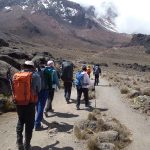
Practice hiking with a loaded backpack to get used to the physical demands. Gradually increase the weight and distance over time.
Gear Preparation
- Footwear: Invest in high-quality, well-fitted hiking boots. Break them in by walking long distances before the trek.
- Clothing: Uwe recommend a use of the layering system
- Base Layer: Moisture-wicking thermal underwear.
- Mid Layer: Insulating layer (fleece or down jacket).
- Outer Layer: Waterproof and windproof jacket.
- Sleeping Gear: A high-quality sleeping bag rated for temperatures below freezing and a sleeping pad for insulation.
- Backpack: A sturdy, comfortable backpack with enough capacity for your gear.
- Accessories: Sunglasses, a wide-brimmed hat, gloves, and trekking poles are essential.
Health and Safety
- Vaccinations: Check required and recommended vaccinations, such as for typhoid, hepatitis A/B, and malaria prophylaxis. Can be processed if insistently required on your arrival.
- Travel Insurance: Ensure you have comprehensive travel insurance that covers high-altitude trekking and emergency evacuation such as Helicopter rescue evacuation with or without a flying doctor.
- First Aid Kit: Include basics like bandages, antiseptic, blister treatment, and altitude sickness medication. Anything identifiable recommended by your personal doctor can be accepted.
Logistics
- Permits and Registration: Obtain necessary permits for climbing Kilimanjaro. Book through a reputable tour operator.
- Itinerary: Plan your trek route (e.g., Marangu, Machame, or Lemosho routes). The choice of route impacts difficulty and duration.
- Guides and Porters: Most trekkers use a guide and porters. The Tanzania Jamrocks Adventures is a reputable company that ensures fair treatment of staff with a well-organized team of cooperative workforce determined to make your dream come true.
Mental Preparation
- Research: Learn about the trek, its challenges, and what to expect at each stage.
- Mental Resilience: Prepare for potential discomfort and altitude-related symptoms. Keep a positive attitude and remain adaptable. It is about an exhilarating adventure, don’t stress yourself.
Packing Advice
- Essentials: Passport, cash (USD), and any required travel documents.
- Hydration: A hydration system (e.g., Camelback) or water bottles. Water purification tablets or a filter are also useful.
- Snacks: High-energy snacks like nuts, energy bars, and dried fruit.
- Electronics: Camera, phone (with power bank), and possibly a GPS device.
Before You Leave the Hotel in Moshi / Arusha
- Acclimatization: Arrive in Tanzania a few days early to acclimatize to the local altitude and environment.
- Briefing: Attend any pre-trek briefings provided by your tour operator.
Being well-prepared will help ensure a successful and enjoyable Kilimanjaro adventure. The biggest promise of a good preparation is a Safe and successful Mount Kilimanjaro Trekking!