As altitude increases, the percentage remains the same but the number of oxygen molecules per breath is reduced.
Why Does This Happen?
The primary reason is air pressure.
- Lower Pressure at Altitude: As you go higher, there is less air above you pushing down. This means the air pressure is lower.
- Gas Expansion: When air pressure drops, the air molecules are able to spread out and expand.
- Cooling from Expansion: For a gas to expand, it must use energy. It draws this energy from its own kinetic energy (the energy of motion). Since temperature is a measure of the average kinetic energy of molecules, a loss of kinetic energy results in a drop in temperature.
Think of it like an aerosol spray can. As you spray it, the gas inside expands rapidly, and the can becomes cold to the touch. The same principle is happening on a massive scale in the atmosphere.
The Rate in Different Units
Your value of 0.6°F per 100m is a common approximation. Here are the standard rates in other units for easy reference:
- Metric: Approximately 0.65°C per 100 meters (or 6.5°C per 1,000 meters / 1 km).
- Imperial: Approximately 3.5°F per 1,000 feet.
If you’re at the base of a mountain that is 3,000 meters (about 9,800 feet) tall, and the temperature is 20°C (68°F), you can estimate the temperature at the summit.
- Temperature Drop: 3,000 m / 100 m = 30 steps. 30 steps * 0.65°C = 19.5°C drop.
- Summit Temperature: 20°C – 19.5°C = 0.5°C (about 33°F).
Altitude sickness, known as AMS, is caused by the failure of the body to adapt quickly enough to the reduced levels of oxygen at increased altitudes.
The Environmental Lapse Rate (ELR) is the actual rate of temperature change measured in the atmosphere at a specific time and place. Your 0.6°F/100m is an average ELR. The real ELR can be higher or lower depending on the day’s weather.
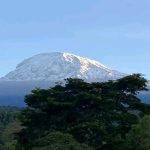
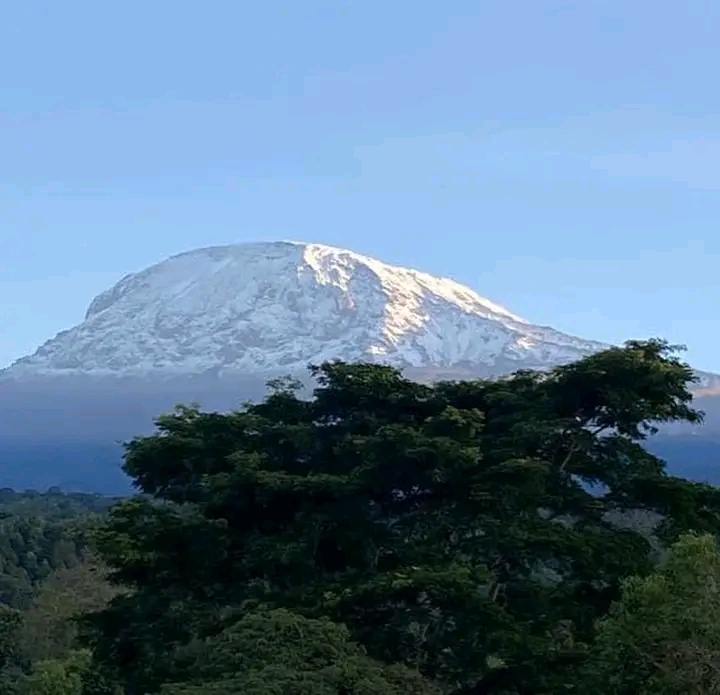
Mount Kilimanjaro’s summit & Altitude Sickness
- Elevation: 19,340 ft (5,895 m)
- Category: Extreme Altitude
- Functioning at this height is only possible for short periods, and acclimatization is essential.
What Causes Altitude Sickness (AMS)?
Altitude Sickness (Acute Mountain Sickness – AMS) is caused by the body’s failure to adjust quickly enough to reduced oxygen levels at high altitudes.
Four Main Risk Factors:
- High Altitude
- Fast Rate of Ascent
- High Physical Exertion
- Dehydration
How the Body Adapts (Acclimatization):
Taking 1–3 days per altitude levels and involves:
- Increased breathing depth
- More red blood cells
- Increased lung pressure
- More enzymes to release oxygen from hemoglobin
Altitude Zones (Mountain Medicine):
| Altitude Category | Elevation (ft) | Effects |
| High Altitude | 4,900–11,500 ft | AMS & decreased performance common |
| Very High Altitude | 11,500–18,000 ft | AMS & performance issues expected |
| Extreme Altitude | 18,000+ ft | Short-term survival only with acclimatization |
AMS Statistics:
- At over 10,000 ft (3,000 m), 75% of climbers experience some form of AMS.
Symptoms of AMS
Mild AMS:
- Headache
- Nausea & dizziness
- Loss of appetite
- Fatigue
- Shortness of breath
- Poor sleep
- Feeling uncomfortable
Note: Mild AMS is common and generally improves with acclimatization. Ascent may continue if symptoms are manageable.
Moderate AMS:
- Severe headache (not relieved by meds)
- Nausea/vomiting
- Shortness of breath
- Weakness, fatigue
- Poor coordination (ataxia)
Action:
- Immediate descent (at least 1,000 ft / 300 m) is necessary.
- Do NOT ascend further.
Severe AMS:
- Shortness of breath at rest
- Inability to walk
- Mental confusion
- Fluid in lungs
Requires IMMEDIATE descent of about 2,000 ft (600 m)
Two life-threatening complications can occur
Life-Threatening Complications
- High Altitude Pulmonary Edema (HAPE)
Cause: Fluid in lungs
Symptoms:
- Breathlessness at rest
- Chest tightness
- Persistent cough (white/frothy fluid)
- Severe fatigue
- Confusion, irrational behavior
Life-threatening — immediate descent and hospital care required.
- High Altitude Cerebral Edema (HACE)
Cause: Swelling of brain tissue
The symptoms of Mild AMS include:
- Headache
- Nausea & Dizziness
- Loss of appetite
- Fatigue
- Shortness of breath
- Disturbed sleep
- General feeling of malaise
- Loss of coordination
- Memory loss, hallucinations
- Coma
Rapidly fatal without descent — must evacuate immediately.
Symptoms tend to be worse at night and when respiratory drive is decreased. Mild AMS does not interfere with normal activity and symptoms generally subside as the body acclimatizes. As long as symptoms are mild, and only a nuisance, ascent can continue at a moderate rate.
Summary of Safe Ascent Guidelines:
- Climb slowly – avoid rapid elevation gain.
- Stay hydrated – drink plenty of water.
- Rest – allow time for acclimatization.
- Communicate symptoms early – don’t ignore signs of AMS.
- Descend immediately if moderate or severe symptoms appear.
High Altitude Cerebral Edema (HACE) and High-Altitude Pulmonary Edema (HAPE). Both of these happen less frequently, especially to those who are properly acclimatized. In both cases the lack of oxygen results in leakage of fluid through the capillary walls into either the lungs or the brain.
We highly advise to follow your professional Mountain Trekking Guide instructions in order to minimize the rate of AMS risks for a successful Mount Kilimanjaro Trekking Adventure.